Recognizing Peptide Pureness: What 99%+ Really Suggests
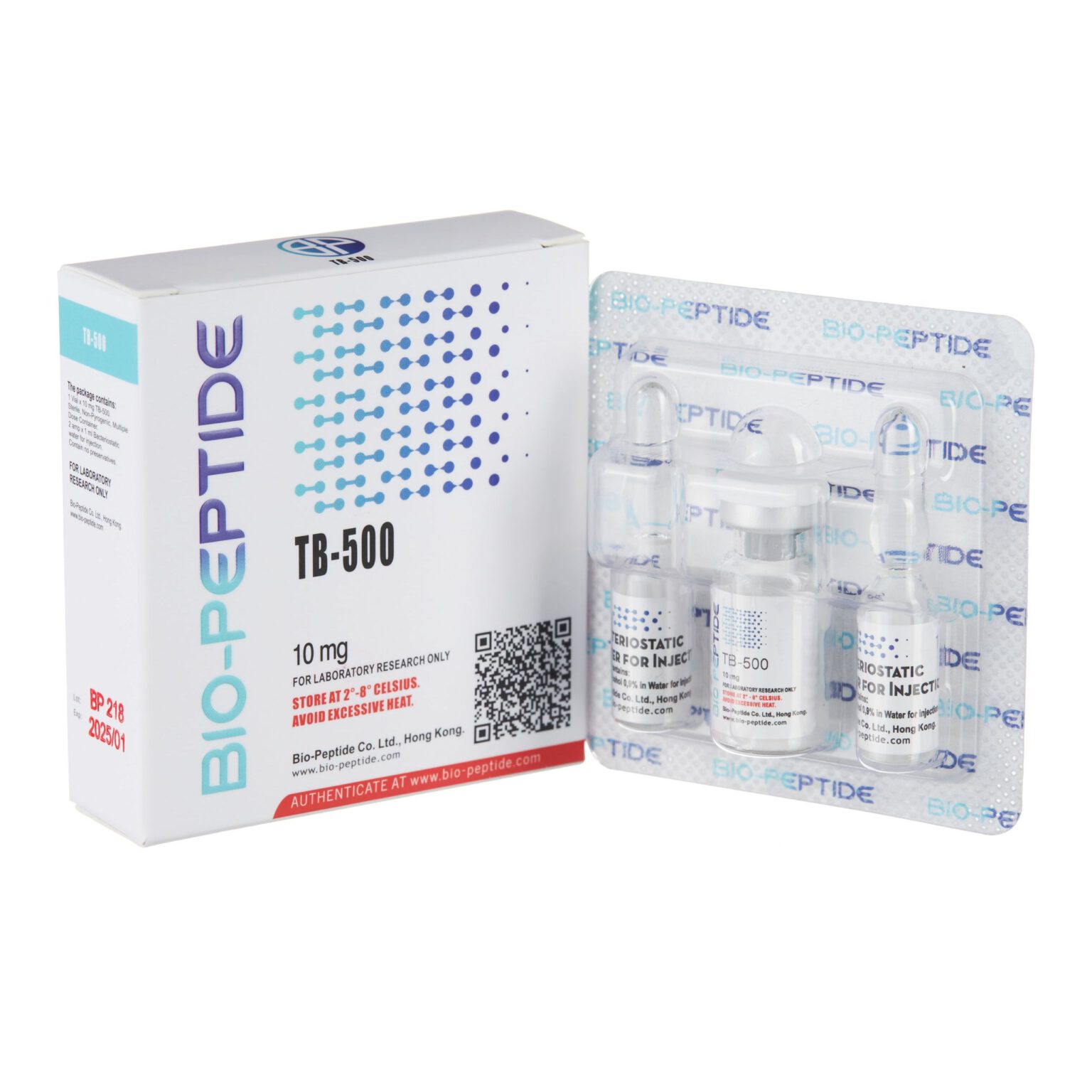

Peptide Quality Assurance & Pureness Testing Boc Scientific Researches You can find out more regarding our analytical screening procedures on our testing and top quality web page. If the target peptide's optimal represent 99.1% of the complete height area, the peptide is reported as 99.1% pure by HPLC. The launch procedure of peptide formulas is complicated, and a lack of clinical information impedes development. We establish in vitro launch models, giving full launch curves and kinetic design analysis to maximize item style. Residual natural solvents, steel ions, or spin-offs from synthesis might trigger harmful adverse effects. Scientists typically assess identification testing to confirm that the substance being evaluated matches the desired peptide. Samples are independently evaluated by our third-party lab companion, Janoshik. Qualified analytical reports are provided and made publicly readily available to make certain complete openness and independent confirmation. We have the capacity of offering customers from early peptide drug discovery phases to peptide evaluation. We give all the technical information and guidelines for every step of peptide synthesis and analysis. At Chameleon Peptides, every item ships with extensive third-party screening documentation.
- Peptide pureness refers to the portion of your sample that is the correct, unabridged peptide series, devoid of other peptide-related impurities.
- Personalized peptides from research study via analysis and therapeutic operations with documentation assistance.
- Like Janoshik, MZ Biolabs COAs can be verified through their platform, giving an added layer of credibility verification.
- Peptides are checked with a mix of strategies, consisting of HPLC for purity, mass spectrometry (MS) for sequence confirmation, and nuclear magnetic resonance (NMR) for structural analysis.
Selecting A Peptide Synthesizer That Will Rapidly Supply Peptides With The Appropriate Pureness
Imaginative Proteomics supplies peptide pureness evaluation making use of logical reversed-phase HPLC integrated with mass spectrometry. They provide MALDI-TOF MS and various other mass spectrometry alternatives regularly. Mass spectrometry (MS) validates peptide identity by determining molecular weight. The method establishes the specific mass of the peptide, which serves as a molecular finger print. If the measured mass matches the expected mass for your peptide sequence, you have confirmation that the proper compound exists. And the only method to recognize what you're really getting is with correct analytical screening. In concentration-response experiments, these contaminants can move curves, flatten plateaus, or present biphasic habits that covers real activity of the target substance. Peptides having methionine or cysteine deposits are susceptible to oxidation. Methionine can be oxidized to methionine sulfoxide; cysteine can create undesirable disulfide bonds or be oxidized to sulfinic or sulfonic acid derivatives. These adjustments alter the peptide's biological task and chromatographic profile. Peptides in microspheres and nanoparticles might ensnare with matrices, making it tough to separate free and encapsulated forms.Is 95% purity helpful for peptides?
Peptides with an 85% pureness level or greater are typically made use of in enzyme assays or organic activity studies. Peptides with pureness greater than 95% are exceptional for quantitative analysis.